
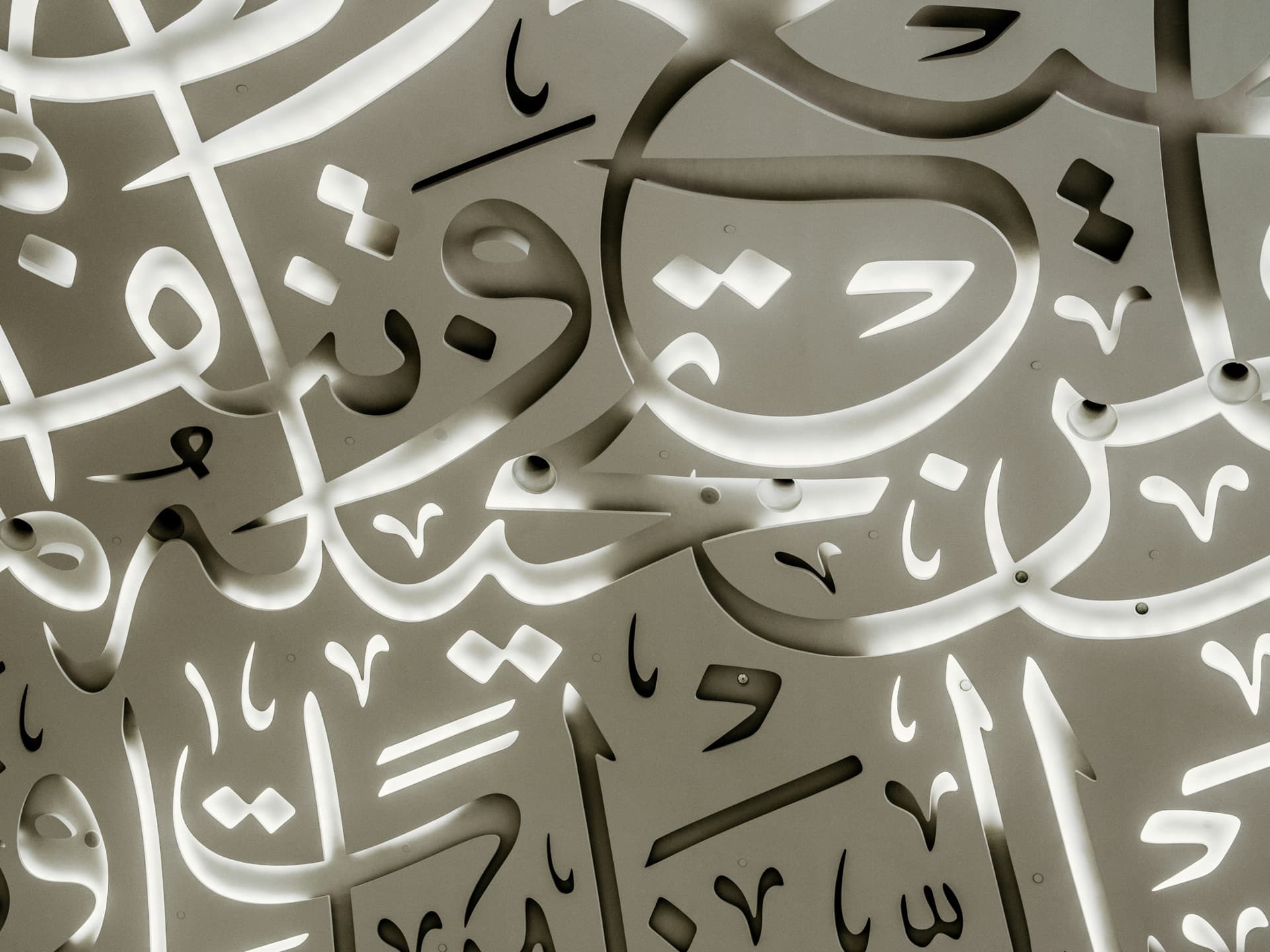
Translation Is Not Localization
The typical government digital service begins with English-first design, build, and testing. Arabic localization often amounts to running text through translation software and flipping the interface right-to-left. The result: interfaces that feel foreign to Arabic speakers—grammatically accurate but culturally disconnected.
When services feel unfamiliar, users experience friction, make more errors, and require additional support. This isn't a translation problem—it's a design problem.
What Arabic-First Actually Means
Arabic-first design treats Arabic as a foundational element rather than an afterthought. This involves designing simultaneously in both languages, using authentic Arabic content in design files, conducting usability testing with Arabic speakers throughout development, and employing Arabic-speaking designers—not just translators.
The RTL Complexity
Right-to-left layout extends far beyond text direction. It encompasses reading flow inversion, icon directionality decisions, bidirectional number handling, mixed-language content management, and form layout conventions. Each requires intentional design rather than automatic system flipping.
Reading Flow
Eye movement patterns differ—layouts must guide appropriately
Icon Direction
Some icons flip, others don't—arrows, progress indicators need consideration
Number Handling
Phone numbers, dates, and currencies have specific conventions
Mixed Content
English terms within Arabic text require careful handling
Cultural Fluency Beyond Language
True localization addresses naming conventions (family name structures differ), calendar systems (Hijri alongside Gregorian), address formats (different organizational logic), formal tone requirements (Arabic formality levels), and visual cultural references that resonate locally.
The Technical Foundation
Successful multilingual UX requires proper Unicode support, bidirectional text rendering, appropriate Arabic font selection, text expansion accommodation (Arabic is often 25% longer), Arabic keyboard input handling, and language-specific search functionality.
The Business Case
Arabic-first design increases reach to Arabic-speaking populations, reduces user errors and support costs, builds trust through cultural respect, ensures regulatory compliance in Arabic-first jurisdictions, and positions services as genuinely bicultural rather than translated Western products.
Building Arabic-First Capability
Organizations should hire Arabic-speaking designers (not just translators), establish documented bilingual design patterns, create Arabic prototypes for early testing, include native speakers in continuous usability testing, and develop parallel design workflows from project inception.
Beyond Arabic
These principles extend to supporting the full linguistic diversity of the region—Hindi, Urdu, Malayalam, Tagalog, Bengali, and dozens of other languages present in UAE's diverse population. True multilingual design creates better experiences for everyone.
The Opportunity
Governments implementing genuine multilingual UX gain competitive advantages: effective service to entire populations, trust-building across communities, and reduced friction costs. When your interface feels native to every user, you've achieved true accessibility.